
7 Things You’re Doing Wrong When Disinfecting Your Home
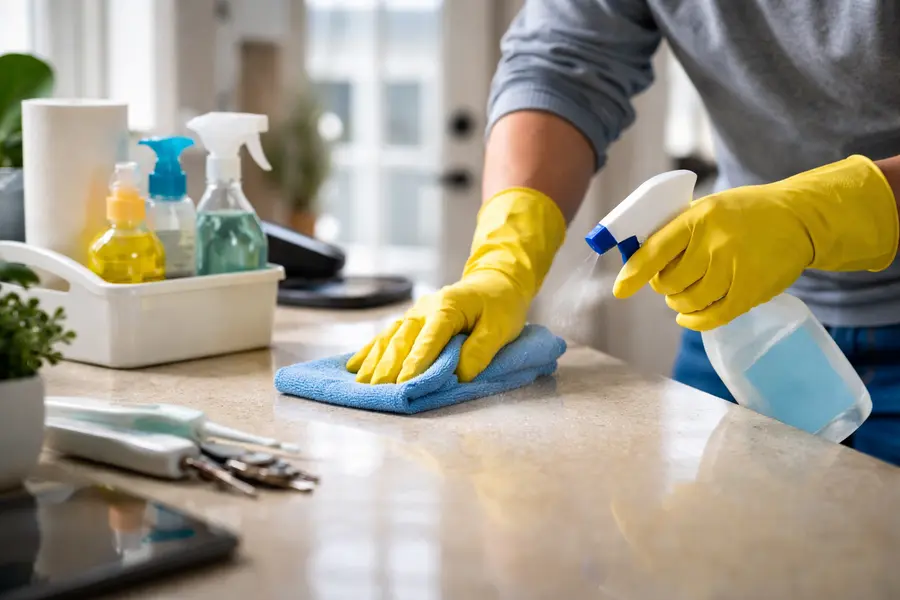
Do you think that your house is indeed disinfected, or does it contain germs that are lurking on your surfaces? Most individuals wash their houses on a regular basis, but they do it unconsciously without minimising errors to minimise efficiency in disinfecting. As much as cleaning gets rid of the visible dirt, disinfecting is the one that gets rid of bacteria, viruses, and other harmful microorganisms. When improperly done, it may create a false impression of security.
Effective hygienic disinfection is the key to a healthy environment in the household, particularly in households with high traffic. But then the slightest mistakes, like being in a hurry about the process or using the wrong products, will turn your work back. The following are the top seven most common disinfection mistakes and how they should be avoided in order to help you secure your home better.
1. Washing and Drying of the Light of the Day
Some of the most widespread ones include using disinfectant to clean contaminated surfaces, according to the cleaning professionals. Dust, grease and grime create a protective layer as a result of which the germs are not exposed to disinfectants. Consequently, bacteria are left following spraying. The most common belief is that it is possible to use disinfectant, which is not accompanied by the removal of surface debris and still the product will not be able to work.
Never forget to wash the surface first with soap or another general cleaner so that visible dirt can be removed and then disinfected. This ensures that the disinfectant can reach areas in which the microorganisms are dangerous and kill them.
2. Failure to Expect Permit Decent Contact Time
The other typical error is instant spraying and wiping. Disinfectants require a certain period of time, which is called the contact time, to kill germs. This may take up to half a minute or even a few minutes, depending on the product. In case of wiping too quickly, the surface does not have time to kill bacteria and viruses with the help of the disinfectant. To prevent this, one should read the label and leave the disinfectant on the surface to dry as stipulated before wiping the surface.
3. Washing the Same Clothes with Different Parts
Using one cloth in several rooms is not a way of eliminating germs but rather propagating them. Bacteria are spread when you wash the bathroom and proceed to the kitchen with the same cloth. The practice poses a lot of risk of contamination, particularly in food preparation zones. It is better to just have separate cloths to different areas of your home and wash them on a regular basis. High-risk areas also should have disposable wipes to avoid cross-contamination.
4. Negligence of High-Touch Surfaces
Most individuals concentrate on extensive spaces that are visible, like floors and countertops and forget about high-contact surfaces. It is where individuals make repeated contacts all through the day, hence, hot spots of germs. Door handles, light switches, remote control, cabinet knobs, phones and stair railings are quick to accumulate bacteria. Failure to take care of these spaces facilitates the spread of germs between people to be effortless. The high touch surfaces are important to consider in your day to day routine of house cleaning to keep it well hygienic.
5. Mixing Cleaning Products
Other house owners assume that mixing products would enhance cleaning power, but this can be very hazardous. When these chemicals are mixed together e.g. bleach and ammonia, toxic fumes are emitted which may cause breathing difficulties and rashes. This is a critical health risk as opposed to enhancing the outcome. The best way is to use a single product and then follow the directions given by the manufacturer, a practice that is particularly important for bond cleaning where strict safety and hygiene standards are expected. It is never advisable to mix cleaning solutions unless it indicates on the label that the two are safe to mix.
6. Diluted or Wrongly Diluted Disinfectants
The disinfectants are not everlasting. Their active ingredients also deteriorate with time and diminish the power to kill the germs. Moreover, most individuals do not put concentrates into right proportions which renders the solution too thin to be used. This will leave contaminated surfaces that look clean. Never leave products out of expiry dates, and dilution should not be neglected. Getting the right concentration in your disinfectant will have it work like it is meant to.
7. Failure to Take Personal Safety into Account
Personal safety is usually neglected in the attempt to eliminate germs. Disinfecting products are chemical-based products that, when used inappropriately, tend to irritate the skin, eyes and respiratory system. Bacteria can be spread by not wearing gloves, poor air, or touching your face during the cleaning process, resulting in unnecessary health complications. Provide a protective measure in the wearing of gloves as needed, having a ventilated room, and thoroughly washing hands after expert cleaning. A safe way is good for both the house and the individual who is cleaning it.
Conclusion
It is not about the usage of more products but the usage of the products correctly. Household habits like cleaning and then disinfecting, giving oneself time to touch, preventing cross-contamination and attention to the high touch areas can make a significant impact in keeping the house hygienic.
These seven disinfection errors can be avoided to make sure that you are actually doing some good for your house instead of just making it appear clean. Considered and better informed disinfection will make the living environment healthier, safer and more comfortable for all. Get support to ensure the disinfection is done correctly and safely.
Related Posts

The Complete Guide to Cleaning Venetian Blinds and Tracks
Cleaning Venetian Blinds & Tracks: A Complete Guide Do you get sick of dusty Venetian…

Ways for Removing Wall Stains Without Taking off the Paint
Have you ever looked at your Wall stains and wondered, How can I get this…
Sticky Tape and Adhesive Residue Removal Best Tips
Have you ever gone to remove a sticker, tape or label, and then you are…