
The Difference Between Clean-Looking and Truly Clean
The Difference Between Clean-Looking and Truly Clean
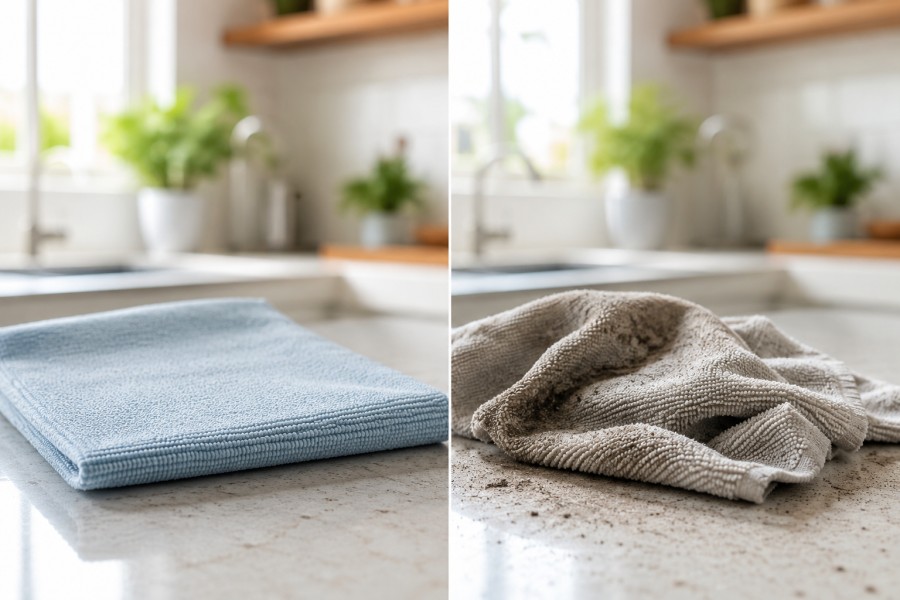
A house may appear tidy at first glance but it is only the superficial level. A well polished floor, properly arranged furniture and identical wall colouring in a room only contribute to the apparent neatness while beneath the surface there may be a whole different story. It’s the dust bacteria allergens and dirt that are the main players in this game. These invisible pollutants which accumulate over long periods are having a very serious effect on the quality of indoor air, hygiene and even the lifespan of household materials. The air of clean versus truly clean concept can help homeowner to make better cleaning choice and maintain a healthier living environment.
In this blog post, we’ll explain what distinguishes surface cleaning from deep cleaning why hidden dirt matter and the ways deep cleaning service can assist Australian homes to remain truly clean and germ-free.
Surface Cleaning Creates First Impressions
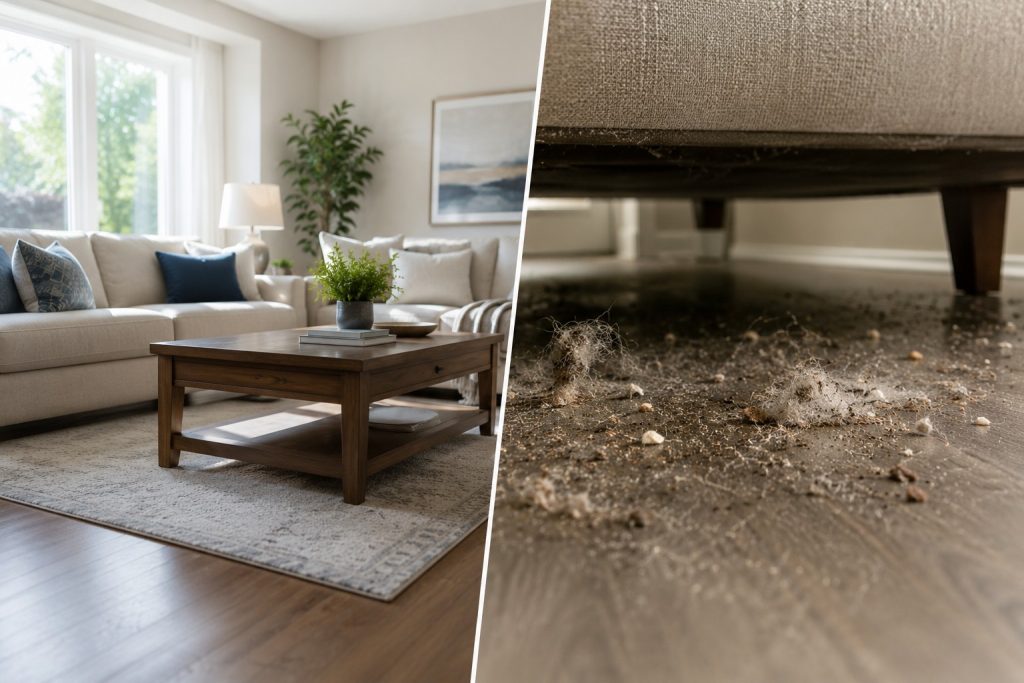
Surface cleaning is the removal of surface dust or debris, spills, fingerprints, clutter on surfaces that people use or see on a daily basis. Vacuuming floors, wiping down kitchen counters and straightening up living areas can make a home look clean and welcoming. But this type of cleaning is extremely infrequent and seldom penetrates into the deeper hidden pockets where bacteria, spores of mould, allergens and grease keep on building-up. Many homeowners equate a clean house to a tidy house. The difference between clean-looking and clean starts with clean not being able to be measured by appearance alone. A visually clean home can still have contaminants that can impact comfort, clean and healthy indoor environment in long term.
Hidden Dirt Still Remains
In the corners and crevices of your home that you don’t dust regularly dust accumulates over time. From air ducts, ceiling fans, baseboards on carpeted walls, sofas, behind appliances, beneath furniture. These are just a few of the places where allergens and dirt slowly, layer by layer, build up. Your kitchen might well look spotless yet quietly inside extractor hoods and cabinet grease collects and stays hidden. With help from some magnesia powder or a good clean your bathroom looks very nice and clean yet in the grout or behind fixtures the mould is silently unseen . They still find their way indoors. The difference between clean looking and actual clean is apparent when homeowners clean areas not usually part of their regular weekly cleaning schedule.
Clean Looking vs Truly Clean
| Clean Looking | Truly Clean |
| Dust removed from visible areas | Dust removed from hidden areas |
| Floors appear tidy | Floors are sanitised and deep cleaned |
| Benches wiped clean | High-touch surfaces disinfected |
| Pleasant smell | Odours removed at the source |
| Rooms organised | Allergens, bacteria, and grime reduced |
Health Risks Of Hidden Grime
A very clean house does not mean that you have gotten rid of allergens, bacteria, mould spores and dust mites from your family’s space. These pollutants can cause asthma, allergic reactions, skin irritation and bad smell, in particular in the humid and wet climate of Australia. Kids, the elderly and people with respiratory illnesses are generally more sensitive to invisible pollutants. Clean-looking vs clean which you have to recognize is that the hygiene aspect goes more than just looking clean and being tidy. In fact, you should realize that it’s not just about looking clean or keeping your appearance but also your health that is at stake and that to be safe and to keep others living with you clean should definitely be on your list of house cleaning activities. When floors continue to trap dust, allergens or bacteria despite routine cleaning, occasional professional floor care can help restore a healthier indoor environment.
Signs Your Home Needs More
Occasionally your home sends small signals that a surface cleaning demand more than the norm. Stubborn odours, allergy symptoms, dusty vents, stained grout, greasy kitchen walls and worn carpets are all indicators of concealed dirt. If dirt returns to a house shortly after cleaning it may already be in the air inside that house. Normal vacuuming and dusting do not necessarily remove embedded dirt. Book deep-cleaning services to eliminate tough build-ups and restore fresh air in your home. Being watchful of these signs can stop minor cleaning problems from turning into serious maintenance problems.
Home Deep Cleaning Checklist
| Area | What To Check |
| Air vents | Dust buildup |
| Carpets | Embedded dirt and stains |
| Bathrooms | Grout mould |
| Kitchen | Grease behind appliances |
| Upholstery | Dust and allergens |
| Ceiling fans | Thick dust layers |
Benefits Of Deep Cleaning
A deep clean is more than your regular household chores as it gets at the places where normal cleaning doesn’t really reach. Professional cleaning companies also utilise specialised machinery and products to eradicate bacteria, dust, mould and other allergens from a variety of surfaces in a way that is not possible with the naked eye and at a domestic level. It’s a process that increases the quality of indoor air, the longevity of flooring and furniture and the wellness of everyone. For clean looking versus clean really, deep cleaning offers results that can’t necessarily be obtained with the usual weekly clean routine. The daily wear and tear can be lessened if you have regular deep cleaning services, allowing you to keep your home simply clean all year round.
Building Better Cleaning Habits
Keeping the house clean is an ongoing job and it means doing things more or less on a daily basis rather than once in a great while when you do the whole house at once. Dusting of surfaces is just one example, as are cleaning of air ducts, disinfection of surfaces and the like.In addition, maintenance of heating, ventilation and air conditioning systems should not be forgotten. Homeowners should also remember to clean out those hidden spaces behind furniture, inside cabinets, window tracks and under appliances. These minor adjustments and habits combined with the occasional deep clean assure you the inside of your home remains sanitized and not just left to be smiling clean from outside looking in. Paying attention to the hidden reasons dust collects near doors and windows can also help homeowners reduce recurring dust build-up and maintain a cleaner indoor environment between routine cleaning sessions.
When Professionals Make Sense
While routine home upkeep ensures the eye-level is neat and clean, dirt hiding in crevices and corners is when cleaning service comes handy to clean such surfaces with professional tools and equipment. Some occupations that require familiarity with unique instruments and knowledge include steam cleaning carpets, decontaminating upholstery, cleaning up air ducts, removing moulds and fixing tile surfaces. Seasonal deep cleaning is a convenient option for the hectic lives of busy Australians to maintain clean, tidy homes healthy without having to deal with difficult cleaning operations under pressure alone. Professional cleaning services help translate clean looking vs truly clean by cleaning air ducts to completion of hidden contamination.
Conclusion
A clean home is not necessarily a clean home. Surface cleaning makes things look better but dust, bacteria, mould and allergens still exist in gaps and under surfaces. Clean Looking vs Truly clean is a concept that helps homeowners recognize that clean looking homes focus on surface cleanliness while truly clean homes focus on overall hygiene. Professional cleaning services along with regular maintenance will help to remove hidden contaminants and enhance indoor air quality protecting your family’s health. These days Australians are reaping more benefits from their homes than they ever have before.
Frequently Asked Questions
1. What is the difference between clean-looking and truly clean?
The house looks very clean and clean because there is no dust and no junk on the visible surfaces. In reality a house is only truly clean if you also clean the hidden places which you cannot easily see and that you are sure there is no dirt, bacteria, allergens or grime hidden there.
2. How often should a home receive deep cleaning services?
For many Australian homes, professional deep cleaning takes place every six to twelve months. However households with pets, children , allergy-prone individuals or those that are heavily used daily might need to call upon a professional cleaner for a thorough deep clean more often.
3. Can hidden dirt affect indoor air quality?
Yes, We should definitely take notice that indoor air pollution is one of the major problems that often means health issues such as allergies, respiratory diseases etc. that may be more prevalent among children and elders.
4. Is regular cleaning enough without professional deep cleaning?
On a daily basis regular cleaning is one of the things we should do but it is basically for cleaning the surface. As for professional deep cleaning these guys can go down there to the areas you are not even aware of. So they can bring about cleanliness and hygiene at a very superior level.
Related Posts

The Complete Guide to Cleaning Venetian Blinds and Tracks
Cleaning Venetian Blinds & Tracks: A Complete Guide Do you get sick of dusty Venetian…

How to Use a Basic Homemade Cleaner to Clean Leather
DIY Leather Cleaning Guide with Natural Ingredients Have you ever stared at your leather sofa…
How to Clean Light Fixtures Safely and Effectively?
Have you ever given much thought to your light fixtures, and wondered how much they…